Bee Hive Bulletin Fall (September–November)

  • Home
  • About Sasserfrass Hill
  • Get In On Beekeeping
  • Speaking & Education
  • Our Bee Products
  • Local Bee Removal
  • Bee Hive Bulletin
  • Magazine Covers
  • More
    • Home
    • About Sasserfrass Hill
    • Get In On Beekeeping
    • Speaking & Education
    • Our Bee Products
    • Local Bee Removal
    • Bee Hive Bulletin
    • Magazine Covers
  • Home
  • About Sasserfrass Hill
  • Get In On Beekeeping
  • Speaking & Education
  • Our Bee Products
  • Local Bee Removal
  • Bee Hive Bulletin
  • Magazine Covers

The Honeycomb Chronicle

(Month of August 2026)

Summer Isn't Over Yet!

Welcome to the very first and special edition of Honeycomb Chronicles by Sasserfrass Hill Bee Farm, our quarterly newsletter kicks-off in September and will be dedicated to the fascinating world of honeybees. Each season, we'll share what's happening inside the hive, helpful beekeeping insights, fun bee facts, and ways you can help protect one of nature's most important pollinators.


August: A Busy Time for Honeybees

While many people think summer is winding down, honeybees know there's still plenty of work to do.

August is one of the most important months of the year for a healthy colony. Worker bees continue collecting nectar and pollen, raising the last generations of summer brood, ripening honey, and preparing the colony for the months ahead. Every warm day is another opportunity to gather the food stores needed to survive winter.

Although flowers may become less abundant, bees remain active from sunrise to sunset whenever weather allows.


⚠️ Varroa Mites: The Colony's Greatest Threat

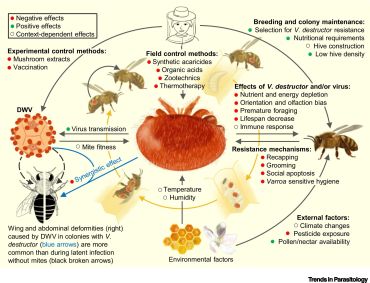
Late summer is also when Varroa destructor mite populations often reach their highest levels.

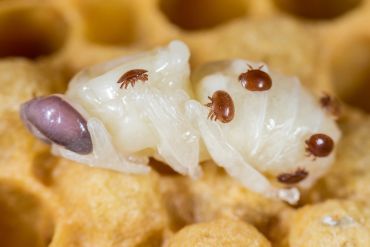
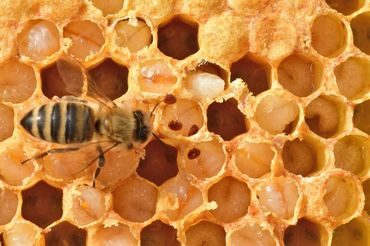
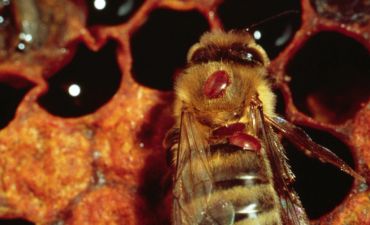
These tiny reddish-brown parasites attach to honeybees and developing brood, feeding on them while weakening the colony. Even more concerning, Varroa mites spread several harmful viruses that can significantly reduce a colony's chance of surviving the winter.

For beekeepers, August is one of the most critical times to monitor mite levels and ensure colonies remain healthy before cooler weather arrives.

Healthy bees going into fall have the best chance of emerging strong and productive next spring.


🌼 How You Can Help

Whether you're a beekeeper or simply someone who appreciates honeybees, you can make a difference.

  • Plant late-blooming flowers that provide nectar and pollen.
  • Keep a shallow source of fresh water available for pollinators.
  • Avoid using pesticides whenever possible, especially on blooming plants.
  • Purchase honey from local beekeepers to support honeybee conservation.
  • If you discover a swarm or colony around your home, contact a live bee removal specialist rather than exterminating them.

Every small action helps protect our pollinators.


🍯 Bee Fact of the Season

Did you know a single worker honeybee produces only about 1/12 of a teaspoon of honey during her entire lifetime?

It takes thousands of bees making millions of flower visits to produce just one pound of honey. Every jar represents an incredible amount of teamwork and dedication.


🐝 From Sasserfrass Hill Bee Farm

At Sasserfrass Hill Bee Farm, we're passionate about educating our community while protecting honeybees through responsible beekeeping, pollinator education, and live honeybee removals whenever possible.


Thank you for following along as we launch our new Bee Hive Bulletin. We hope you'll join us each season as we explore the remarkable life of the honeybee and discover new ways we can all help ensure these incredible pollinators continue to thrive.


Until next time...

Bee informed. Bee inspired. Bee involved.

Subscribe

Sign up to hear from us about specials, sales, and events.

Copyright © 2026 Deborah Sasser - All Rights Reserved.

Powered by

  • Magazine Covers

This website uses cookies.

We use cookies to analyze website traffic and optimize your website experience. By accepting our use of cookies, your data will be aggregated with all other user data.

Accept